




CPE has a wide range of applications
At present, the application of chlorinated polyethylene in the chemical market is mainly rubber-based chlorinated polyethylene, as it has a wide range of applications, such as: wires and cables (coal mine cables, wires specified in UL and VDE standards, etc.), hydraulic rubber hoses, automotive rubber hoses, belts, rubber sheets, modification of PVC pipes, magnetic materials, ABS modification, etc.
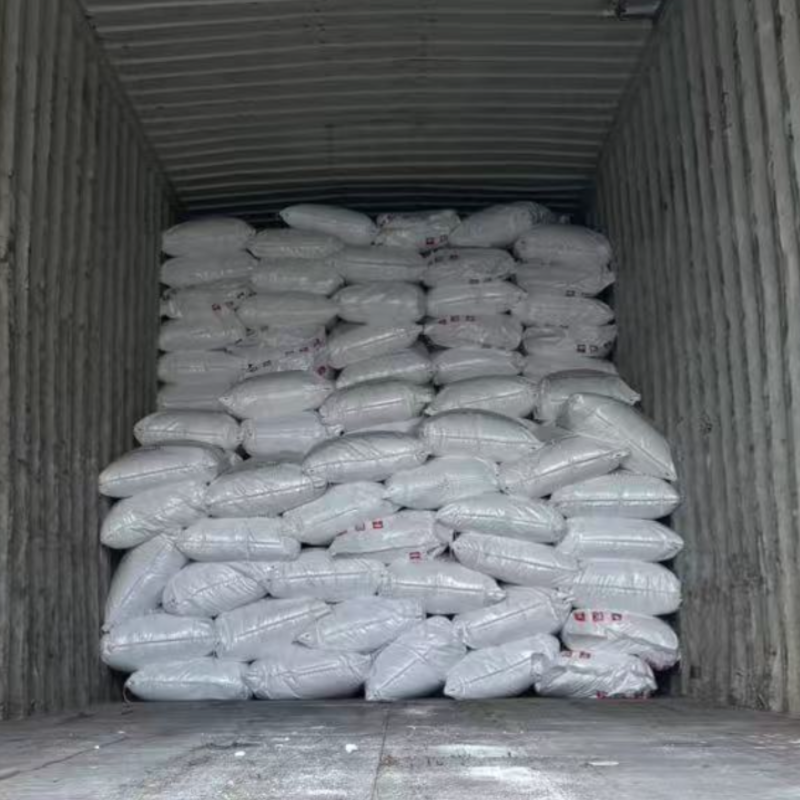
Chlorinated polyethylene (CPE) is a saturated polymer material. It appears as a white powder, is non-toxic and odorless, and has excellent weather resistance, ozone resistance, chemical resistance and aging resistance. It also has good oil resistance, flame retardancy and coloring performance. It has good toughness (still flexible at -30℃), good compatibility with other polymer materials, a relatively high decomposition temperature, and generates HCl during decomposition. HCL can catalyze the dechlorination reaction of CPE.
Chlorinated polyethylene is a high-molecular material produced by chlorination substitution reaction of high-density polyethylene (HDPE). According to their structure and application, chlorinated polyethylene can be classified into two major categories: resin-type chlorinated polyethylene (CPE) and elastic-type chlorinated polyethylene (CM). Thermoplastic resins can be used not only alone but also blended with resins such as polyvinyl chloride (PVC), polyethylene (PE), polypropylene (PP), polystyrene (PS), ABS, and even polyurethane (PU). In the rubber industry, CPE can be used as a high-performance and high-quality special rubber, and can also be blended with other rubbers such as ethylene propylene rubber (EPR), butyl rubber (IIR), nitrile rubber (NBR), and chlorosulfonated polyethylene (CSM).
Chlorinated polyvinyl chloride
CPE is a saturated rubber with excellent heat and oxygen aging resistance, ozone aging resistance, acid and alkali resistance, and chemical resistance.
2) CPE has excellent oil resistance, with outstanding resistance to ASTM No. 1 oil and ASTM No. 2 oil, comparable to that of NBR. It has excellent resistance to ASTM No. 3 oil, surpassing CR and comparable to CSM.
3) CPE contains chlorine, which has excellent flame-retardant performance and the property of preventing dripping during combustion. When combined with antimony-based flame retardants, chlorinated paraffins and Al(OH)3 in an appropriate proportion, flame-retardant materials with excellent flame-retardant performance and low cost can be obtained.
4) CPE is non-toxic and free of heavy metals and PAHS, fully meeting environmental protection requirements.
5) CPE has high filling performance and can be used to produce products that meet various performance requirements. CPE has excellent processing performance, and there are multiple grades available for Mooney viscosity (ML121 1+4) ranging from 50 to 100.